
The Silent Stress of Postpartum
Bringing a baby home is often described as one of life’s happiest moments. But behind the congratulations, pictures, and tiny outfits, many mothers are quietly struggling.
Embers to Bloom Team · September 7, 2026
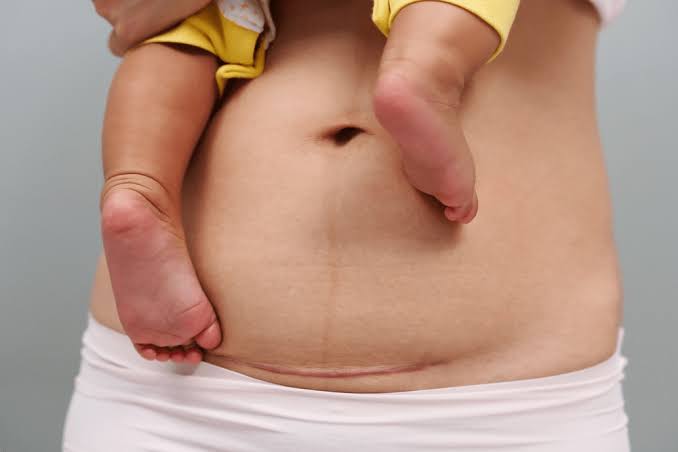
Bringing a baby home is often described as one of life’s happiest moments. But behind the congratulations, pictures, and tiny outfits, many mothers are quietly struggling.
They may love their baby deeply while feeling exhausted, anxious, disconnected, or unlike themselves. They may be caring for everyone around them while silently wondering why they are not enjoying motherhood the way they expected.
This is the silent stress of postpartum.
When It Is More Than the “Baby Blues”
The first days after giving birth can bring sudden emotional changes. Hormonal shifts, physical recovery, interrupted sleep, and the pressure of caring for a newborn can leave a mother feeling tearful, worried, irritable, or overwhelmed.
These temporary feelings are often called the “baby blues.” They usually improve within the first two weeks after childbirth.
Postpartum depression is different. The emotions are often more intense, last longer, and begin to interfere with a mother’s ability to care for herself, connect with her baby, or complete everyday tasks. While many cases begin within the first several weeks after delivery, symptoms can appear later in the first postpartum year.
The Ways Postpartum Depression Can Show Up
Postpartum depression does not always look like constant crying. Sometimes it hides behind a mother who continues feeding the baby, changing diapers, answering messages, and telling everyone she is fine.
It may show up as:
Feeling sad, empty, numb, or hopeless
Crying more often than usual, sometimes without knowing why
Feeling angry, irritated, or easily overwhelmed
Constantly worrying that something bad will happen to the baby
Feeling disconnected from the baby or struggling to bond
Doubting the ability to care for the baby
Losing interest in things that once brought happiness
Pulling away from family and friends
Feeling guilty for not being “happy enough”
Feeling like the baby or family would be better without her
Having difficulty concentrating or making simple decisions
Sleeping too much or being unable to sleep even when the baby is resting
Experiencing changes in appetite
Feeling physically and emotionally exhausted beyond normal newborn fatigue
Having frightening or unwanted thoughts
These symptoms can look different from one person to another. Some mothers feel deeply sad. Others experience more anger, anxiety, guilt, or emotional numbness.
Early Signs Should Not Be Ignored
Early detection begins with paying attention to changes that continue, intensify, or interfere with daily life.
A mother may need additional support if:
Emotional symptoms continue beyond two weeks
She says she does not feel like herself
She feels unable to rest, even when given the opportunity
She avoids being alone with the baby because she feels afraid or incapable
She becomes unusually withdrawn or stops responding to loved ones
She frequently expresses guilt, hopelessness, or worthlessness
She appears to be functioning but admits that every task feels impossible
Her anxiety prevents her from eating, sleeping, leaving the house, or allowing anyone else to help with the baby
Family members and friends should listen carefully when a new mother says she is overwhelmed. She may not use the words “postpartum depression.” She may say, “I cannot do this,” “I feel trapped,” “I am failing,” or “I just want everything to stop.”
These statements should be met with compassion, not judgment.
Postpartum Depression Is Not a Personal Failure
Postpartum depression is a health condition. It is not caused by weakness, selfishness, or a lack of love for the baby.
Hormonal changes, sleep deprivation, a difficult pregnancy or delivery, limited support, financial stress, relationship problems, past trauma, and a personal or family history of depression or bipolar disorder may increase the risk. Sometimes there is no single identifiable cause.
A mother can be grateful for her baby and still be depressed. She can love her child and still need help. Both things can be true at the same time.
Finding a Path Toward Recovery
Postpartum depression is treatable, and recovery is possible. Treatment may include counseling, medication, practical support, or a combination of approaches. Cognitive behavioral therapy and interpersonal therapy are among the evidence-based therapies used to treat perinatal depression. A qualified healthcare provider can help determine which treatment options are appropriate, including for mothers who are breastfeeding.
Recovery may begin with a few important steps:
Tell Someone the Truth
Instead of saying, “I am just tired,” try saying, “I do not feel like myself, and I need help.”
That conversation may begin with a partner, family member, trusted friend, obstetrician, primary care provider, pediatrician, or mental health professional.
Accept Practical Support
Support does not have to begin with perfect advice. It can look like someone washing bottles, preparing a meal, watching the baby while the mother showers, handling phone calls, or sitting nearby without judgment.
Protect Small Moments of Rest
Sleep may not happen in long stretches with a newborn, but even short periods of uninterrupted rest can matter. Loved ones can help by taking over a feeding when possible, managing visitors, or creating a quiet space for the mother to rest.
Release the Pressure to Be Perfect
The house does not have to be spotless. Every message does not need an immediate response. A mother does not have to look happy to prove that she is grateful.
Healing requires honesty, not perfection.
Stay Connected to Professional Care
A postpartum checkup should not be the only time a mother’s emotional health is discussed. Depression can develop later, which is why continued screening and honest conversations throughout the first postpartum year are important.
When Immediate Help Is Needed
Thoughts of suicide, harming the baby, feeling detached from reality, hearing or seeing things that others do not, severe confusion, or extreme agitation require immediate help.
Call or text 988 for the Suicide & Crisis Lifeline. In a life-threatening emergency, call 911.
Pregnant women and new mothers can also call or text the National Maternal Mental Health Hotline at 1-833-TLC-MAMA (1-833-852-6262) for free, confidential support 24 hours a day.
You Deserve Support Too
A new baby receives frequent attention, care, and checkups. The mother deserves that same level of concern.
At Embers to Bloom, we provide a safe and compassionate space for mothers and families to talk honestly about what they are experiencing. Through therapy, mentoring, peer support, and connection to additional resources, we help mothers feel heard, supported, and less alone as they find their way forward.
You do not have to hide the hard parts of motherhood. Asking for help does not mean you are failing your baby. It means you are taking an important step toward healing for yourself and your family.