
Mending a Broken Heart from a Broken Home
A difficult beginning can shape a child, but it does not have to define the rest of their life.
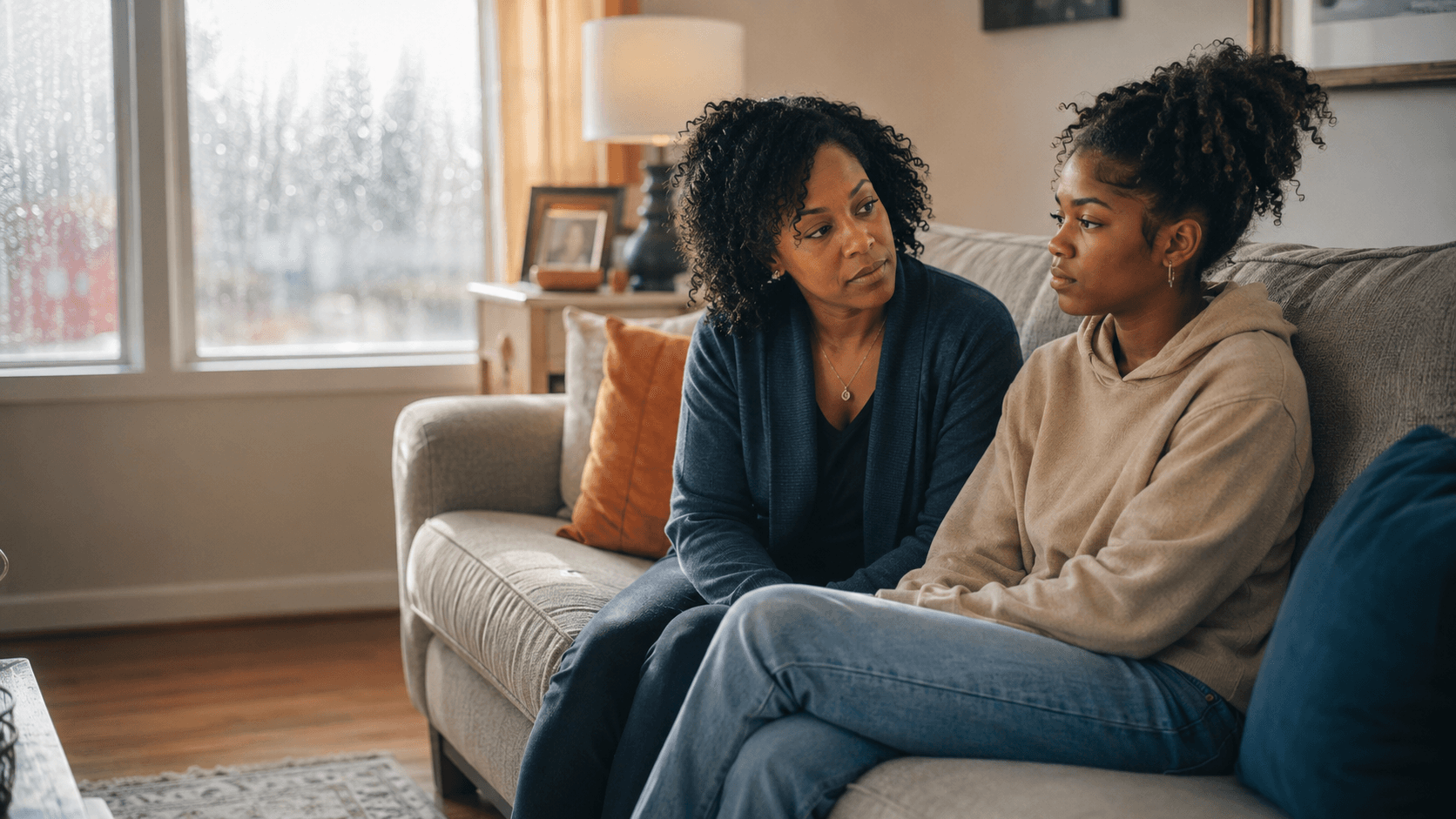
Home is supposed to be the place where a child feels safe, protected, and loved. But for many young people, home becomes the first place where they experience instability, rejection, conflict, neglect, loss, or fear.
A “broken home” is not simply a home with divorced parents or a single parent. Loving, healthy families come in many forms. A home becomes emotionally broken when the relationships within it leave a child feeling unsafe, unseen, blamed, abandoned, or responsible for problems they did not create.
The adults may move forward, but children often carry what happened with them.
When Home Does Not Feel Safe
Children do not always have the words to explain heartbreak. Instead of saying, “I feel abandoned,” “I am scared,” or “I do not trust anyone,” their pain may appear as:
- Anger, defiance, or frequent arguments
- Anxiety or constant worry
- Sadness, withdrawal, or loss of interest
- Difficulty concentrating at school
- Falling grades or frequent absences
- Trouble trusting adults or forming healthy relationships
- Acting as if they do not care
- Becoming overly responsible for younger siblings
- Fear of being left or rejected
- Substance use or other risky behaviors
- Difficulty controlling emotions
- Feeling responsible for keeping the family together
Some children become loud with their pain. Others become unusually quiet. Both may be asking the same question: “Is anyone paying attention to what I am going through?”
The Effects Can Reach Beyond Childhood
Experiences such as abuse, neglect, household substance use, domestic violence, parental separation, incarceration, and untreated mental illness are often described as adverse childhood experiences, or ACEs.
According to the Centers for Disease Control and Prevention, 61% of adults reported experiencing at least one ACE, and 16% reported experiencing four or more. The CDC explains that prolonged exposure to childhood adversity can create toxic stress, which may affect learning, decision-making, relationships, emotional well-being, and physical health later in life. (CDC: Adverse Childhood Experiences)
The need for youth mental health support is also significant. CDC data show that nearly 1 in 5 children between ages 3 and 17 has been diagnosed with a mental, emotional, or behavioral health condition. (CDC: Children’s Mental Health Data)
These numbers do not mean every child who experiences family disruption will develop a mental health condition. They remind us that difficult childhood experiences are common, their effects can be serious, and early support matters.
Children Often Blame Themselves
When parents separate, argue, struggle with addiction, or become emotionally unavailable, children may silently believe they caused the problem.
“If I had behaved better, maybe they would have stayed.”
“If I do not cause any problems, maybe everyone will be okay.”
“I have to take care of my parent.”
“People always leave, so I should not get too close.”
These beliefs can follow a young person into friendships, school, work, and future relationships. A child who learned to expect rejection may push others away before they have a chance to leave. A child who lived around constant conflict may mistake chaos for love. A child who had to grow up too quickly may struggle to ask for help.
What happened in the home can shape a child, but it does not have to define the rest of their life.
Healing Begins with Being Heard
Young people do not need adults to pretend the past did not happen. They need safe, dependable people who are willing to listen without judging them, blaming them, or asking them to choose sides.
Healing can begin when a child has:
- A trusted adult who consistently shows up
- Permission to talk honestly about difficult emotions
- Healthy ways to cope with anger, anxiety, grief, and disappointment
- Reassurance that adult problems are not their responsibility
- Support building confidence and healthy relationships
- Predictable routines and clear boundaries
- Opportunities to feel successful and in control of their future
- Professional help when their emotions or behaviors become difficult to manage
Children are resilient, but resilience does not mean they should have to heal alone.
Parents Need Support Too
Parents may also be carrying heartbreak, guilt, exhaustion, financial stress, or wounds from their own childhood. Supporting a child while managing personal pain can feel overwhelming.
Seeking help does not mean a parent has failed. It means the parent recognizes that the family deserves support.
Parents can help their children heal by listening without becoming defensive, avoiding negative comments about the other parent, keeping promises whenever possible, creating consistent routines, and acknowledging the child’s feelings. Sometimes one emotionally safe and dependable caregiver can make a meaningful difference in a young person’s life.
A Broken Beginning Does Not Have to Become a Broken Future
A child cannot rewrite what happened at home, but they can learn that they are more than what happened to them. They can learn that their feelings matter, healthy relationships are possible, and asking for help is a sign of strength.
At Embers to Bloom, we support youth and parents as they work through family conflict, major life changes, emotional challenges, and difficult behaviors. Through therapy, mentoring, community psychiatric supportive treatment, and therapeutic behavioral support, we help families strengthen coping skills, improve communication, rebuild trust, and move forward together.
Most importantly, Embers to Bloom gives youth and parents a safe space to be heard, understood, and supported as they heal.